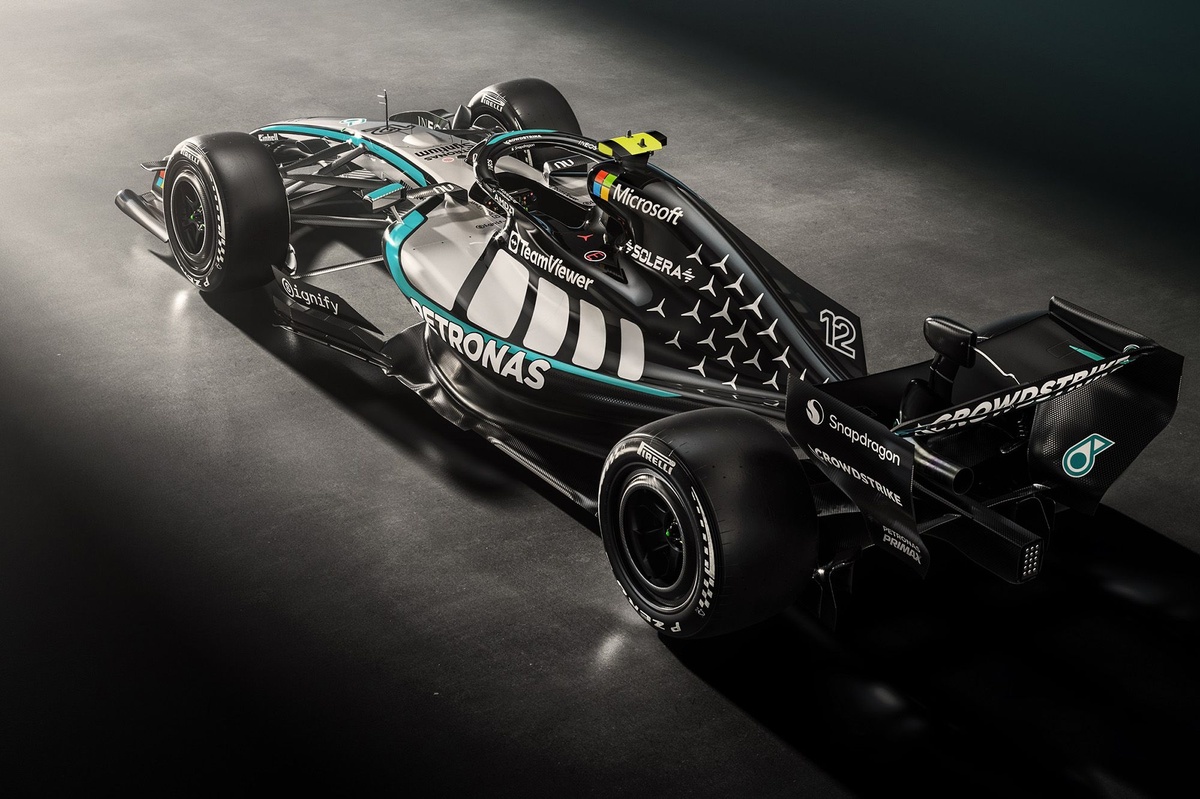
FIA Settles Mercedes F1 Engine Compression Controversy: A New Era of Scrutiny for a Formula One Controversial Rule
Formula One, a sport synonymous with cutting-edge technology and relentless innovation, frequently finds itself at the crossroads of ingenuity and regulation. The upcoming 2026 season promises one of the most radical overhauls in decades, particularly concerning engine and chassis regulations. However, even before the new era officially dawns, a significant pre-season storm brewed around Mercedes and the intricate details of engine compression ratios. This contentious issue, threatening to overshadow the season's start, has now seen the sport's governing body, the FIA, step in to broker a compromise, solidifying a new precedent for addressing a formula one controversial rule.
The controversy, rooted in the thermal expansion properties of engine components, spotlighted how teams constantly push the boundaries of technical directives. Mercedes was suspected of cleverly exploiting a loophole to gain a performance advantage, sparking whispers of potential protests and an unsettled start to what is meant to be an exciting new chapter for F1. The FIA’s swift, unanimous resolution via its World Motor Sport Council underscores the urgency and importance of maintaining a level playing field in a sport where every millisecond, and every technical interpretation, counts.
The Heart of the Matter: Unpacking the Compression Ratio Controversy
The 2026 Formula One season is poised to be transformative. Cars will be smaller and lighter, and the power unit architecture is undergoing a dramatic shift. While the familiar 1.6-litre V6 engine remains, its power generation is evolving, with an almost equal split between the internal combustion engine (ICE) and electric power. Fifty percent of the power will now come from a battery, enabling drivers to deploy extra power boosts throughout a lap – a feature expected to inject more strategic depth and excitement into racing. McLaren's newly crowned champion, Lando Norris, has already predicted "chaos" for the season, a testament to the unpredictable nature of such significant regulatory changes.
At the core of the Mercedes engine row lay the engine compression ratio, a critical parameter capped by regulations at 16:1 when measured in cold conditions. While all manufacturers' engines adhered to this cold measurement, Mercedes was suspected of finding a sophisticated method to increase this ratio when the engine reached its operational temperature. This subtle but significant manipulation through the thermal expansion of components could translate into a substantial performance boost – greater power output and improved fuel efficiency – effectively exploiting an ambiguity in the wording of the initial 2026 regulations. Such a maneuver, if unchecked, would not only grant an unfair advantage but also undermine the spirit of fair competition, a recurring concern when a formula one controversial rule comes under scrutiny.
The potential for teams to protest the results of early races, particularly after the season opener in Australia, loomed large. This created an urgent need for the FIA to clarify and reinforce the regulations, ensuring that all teams operate under unequivocally defined parameters from the outset of the new era.
The FIA's Intervention and Compromise Solution
Recognizing the gravity of the situation and the potential for the controversy to derail public enthusiasm for the new regulations, the FIA acted decisively. In a statement released on a Saturday, the governing body announced that amendments to the 2026 regulations had been approved unanimously by an e-vote of its World Motor Sport Council. This swift, digital consensus highlighted the collective will to address the issue head-on.
The FIA acknowledged the "significant effort" invested in finding a resolution to the compression ratio topic. Initially, the governing body had proposed a later implementation date of August 1, 2026, for voting on compliance, which would have included testing "not only at ambient conditions but also at a representative operating temperature of 130 degrees Celsius." However, this August date would have meant more than half of the 24-race season would have passed before any change took effect, leaving ample room for early-season disputes.
The approved compromise, however, moves this crucial compliance check much earlier. From June 1, 2026, compression ratios will be strictly controlled in both hot and cold conditions. Furthermore, from 2027 onwards, compliance will be measured solely in the operating conditions, focusing on the real-world performance parameters rather than just static measurements. This expedited and refined enforcement demonstrates the FIA's commitment to immediate fairness while also looking to the long-term clarity of the rules. Mercedes, for their part, have publicly stated that any change "will make no difference to them," a claim that will be rigorously tested on track.
Beyond engine specifications, the FIA also confirmed that additional amendments to the sporting and financial regulations were approved, signaling a comprehensive review of the 2026 rulebook to ensure robust governance across all aspects of the sport.
Broader Implications for the 2026 Season and Beyond
This resolution has far-reaching implications for all stakeholders in Formula One. The engine manufacturers – Mercedes, Red Bull Powertrains, Ferrari, Audi, and Honda (who will return as a full works partner supplying Aston Martin) – must now ensure their designs strictly adhere to these clarified guidelines. Mercedes currently supplies V6 engines to four of the eleven teams: their own works team, the 2025 champions McLaren, Williams, and Renault-owned Alpine. Red Bull Powertrains supplies their main team and their sister team, Racing Bulls. Ferrari powers Haas and newcomers Cadillac. This complex web of alliances means any engine-related formula one controversial rule affects a significant portion of the grid.
The FIA's move ensures that the competitive balance intended by the new 2026 regulations is maintained. By closing the potential loophole before the season even begins in earnest, the governing body aims to prevent a scenario where technical protests dominate headlines, detracting from the racing spectacle. This proactive approach is vital, especially given the "collective learnings" the FIA anticipates from pre-season testing and the initial rounds of the championship following such a significant regulatory shift.
Moreover, the ongoing "technical checks on energy management matters" indicate that the FIA is taking a holistic view of the new hybrid power units. As power generation shifts significantly towards electrical components, understanding and regulating how energy is harvested, stored, and deployed will be paramount to ensuring fair competition and preventing new loopholes from emerging. This constant evolution and refinement of regulations are characteristic of Formula One, much like the recent discussions around the Monaco Grand Prix's two-stop rule, which was eventually dropped for 2026 after failing to enhance racing as intended.
For fans, this clarification means a more transparent and arguably fairer start to the new engine era. It also highlights the extreme lengths to which top F1 teams go to find even the slightest competitive edge, forcing the regulators to be equally sophisticated in their oversight. Want to dive deeper into the technicalities of these upcoming changes? Read more about F1's 2026 Engine Rule Change: The Compression Ratio Explained and explore the broader implications in F1 2026 Regulations: New Hybrid Engines Threaten Chaos.
Navigating Formula One's Evolving Regulatory Landscape
The Mercedes engine compression controversy serves as a vivid reminder of the inherent tension in Formula One: the constant push for innovation against the strictures of regulation. Engineering teams are incentivized to interpret rules in the most advantageous way possible, often leading to what appear to be "loopholes." This dynamic is precisely why issues around a formula one controversial rule are so common and often make headlines. It’s a testament to the brilliance of F1 engineers and the necessity of a vigilant governing body.
For teams, the practical takeaway is clear: while pushing technical boundaries is part of the F1 ethos, the FIA is committed to swift and decisive action when the spirit of the regulations is perceived to be compromised. This means intensified R&D to ensure compliance from day one and a careful re-evaluation of design philosophies to prevent falling foul of future clarifications. For fans, understanding these intricate technical battles adds another layer to the drama unfolding on track. It's not just about raw speed but also about engineering prowess and regulatory acumen.
The FIA's diplomatic approach, securing unanimous approval for the compromise, is a strategic masterstroke. It avoids a protracted legal battle that could have soured the start of a highly anticipated new era. By moving the hot/cold testing implementation forward to June 2026, the FIA demonstrates a commitment to early intervention, ensuring that any potential advantages are mitigated well before the championship's critical mid-point.
The FIA's swift and unanimous settlement of the Mercedes engine compression controversy marks a crucial step in preparing for the transformative 2026 Formula One season. By clarifying the rules on thermal expansion and compression ratios and bringing forward the enforcement timeline, the governing body has addressed a significant formula one controversial rule before it could escalate into widespread protests and overshadow the sporting spectacle. This decisive action reaffirms the FIA's commitment to fair competition and signals a proactive approach to managing the inherent complexities of F1's ever-evolving technical landscape. As teams now focus on strict compliance, fans can look forward to a new era where competitive balance is rigorously upheld, promising thrilling, unadulterated racing.